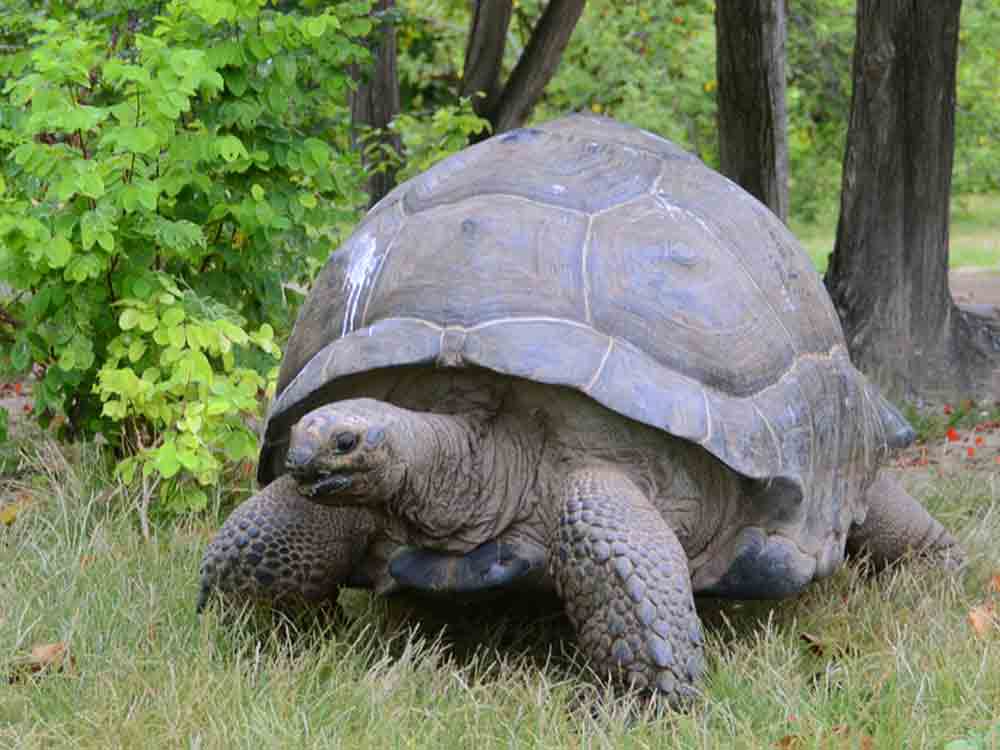
A University of Oxford study warns that the most endangered turtle and crocodile species are often the most unique. Their loss could devastate ecosystems, as they perform critical processes that other species depend on and that are unlikely to be replicated if they go extinct.
The research examined the life history strategies of 259 species (69% of extant Testudines and Crocodilia). Using demographic and phylogenetic data, the team estimated functional diversity and simulated extinction scenarios to understand the subsequent environmental impacts. Specialist species, like the gopher tortoise (Gopherus polyphemus) in the southern U.S., exemplify this risk. This federally endangered and IUCN-listed vulnerable species is a keystone burrower, creating tunnel networks used by an estimated 360 other animal species. Threats like unsustainable local consumption, disease, and pollution are linked to specific life history strategies. In contrast, climate change, habitat disturbance, and global trade affect species broadly. “A key finding is that the threats do not affect all species equally; they tend to impact particular life history strategies,” said Professor Rob Salguero-Gómez. “For example, unsustainable consumption mainly affects long-lived species with large clutch sizes, like sea turtles.” The loss of unique tortoises, turtles, and crocodiles could also erase their vital roles in seed dispersal, habitat creation, and ecosystem balance. These functions, evolved over millions of years, cannot be easily replaced. The primary threat to these reptiles is habitat loss and fragmentation, particularly for Northern hemisphere species.Roberto Rodriguez stated in a media release, “The disappearance of wetlands, increasing urbanization, and the development of intensive agriculture, which already have tangible effects, will likely continue to negatively affect these species and their ability to persist in the mid- to long-term.”
The researchers emphasize that their study should help push for effective conservation management plans to protect these reptiles and other species. The complete study, titled “Anthropogenic impacts on threatened species erode functional diversity in chelonians and crocodilians,” is available for reading on the Nature Communications website.